Osteoarthritis - Template A (longest)
Pain or stiffness in your hands or wrists can make everyday tasks like gripping, opening containers, writing or using your hands more uncomfortable. Osteoarthritis is a common type of arthritis that develops as the cartilage that cushions your joints gradually wears down.
If your joints are becoming more painful, stiff or swollen, understanding what’s causing those changes is an important next step. Getting the right care can help you manage symptoms, protect your joints and stay active with less discomfort.
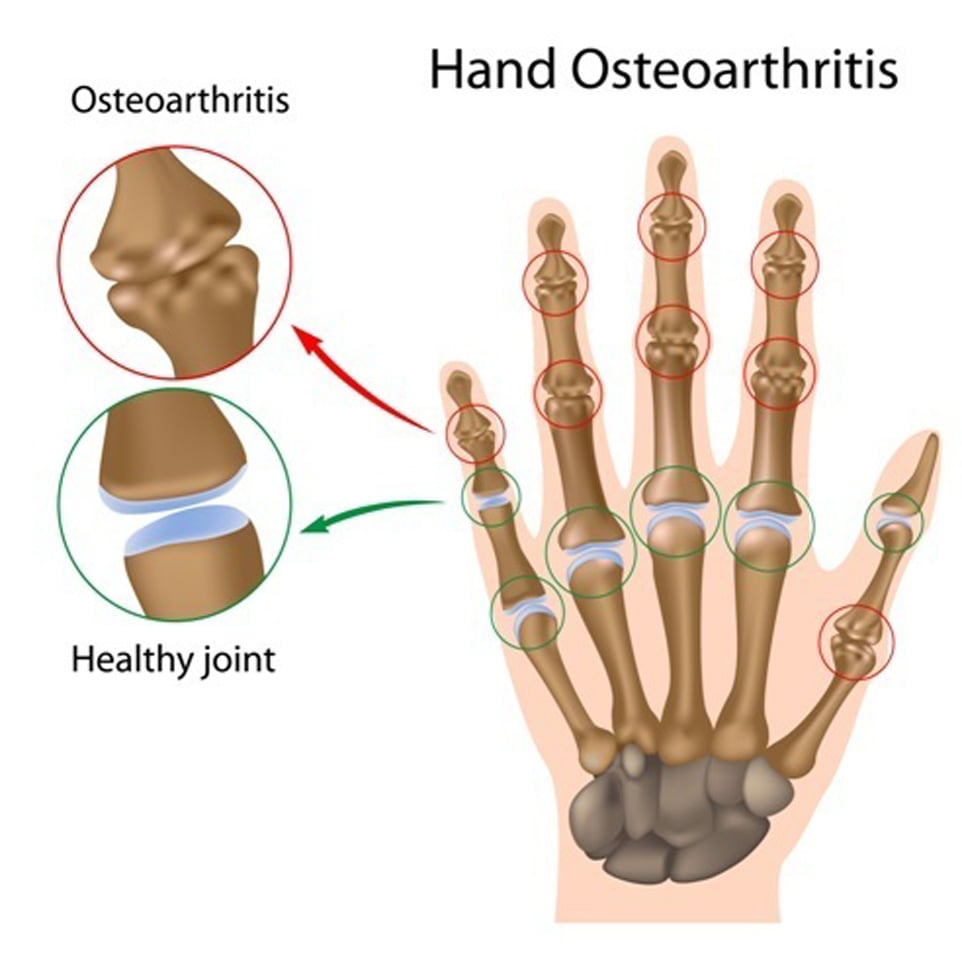
What is osteoarthritis?
Osteoarthritis is the most common type of arthritis. It develops when the cartilage that cushions and protects the ends of the bones in a joint gradually wears down. Without that smooth cushioning, the joint may become painful, stiff or swollen and become harder to move comfortably.
Osteoarthritis can affect many joints in the body, including the hands and wrists. In the hand, the joint at the base of the thumb is one area commonly affected.
Heading text 1
Osteoarthritis symptoms
Osteoarthritis symptoms can develop gradually as changes in a joint begin to affect how comfortably and easily it moves. Pain is often an ache in the affected joint and may become more noticeable when you use it.
Osteoarthritis symptoms can include:
- Aching or pain in the affected joints, often worse with use
- Joint stiffness
- Swelling around the joint
- Hard bumps or changes in the shape of finger joints
What causes osteoarthritis?
There isn't always one clear reason osteoarthritis develops. Osteoarthritis occurs as the cartilage that cushions a joint gradually wears away. Age-related changes, overuse and previous injury can contribute to this breakdown.
For hand osteoarthritis specifically, the exact cause isn't known. Genetics may play a role, and severe osteoarthritis of the hands can run in families. Prolonged, repetitive or heavy manual activities may also contribute to wear and tear on the joints.
How is osteoarthritis diagnosed?
If ongoing pain, stiffness or swelling in your hands or wrists is making you wonder whether you have osteoarthritis, an evaluation can help determine what's causing your symptoms.
Diagnosing osteoarthritis typically starts with a discussion of your symptoms and medical history and an examination of your hand or wrist. X-rays may show changes associated with arthritis, including bone spurs or cysts.
If there are signs that your symptoms could be caused by inflammatory arthritis, an infection or another condition, additional testing may be needed to determine the cause.
Osteoarthritis treatment options
Osteoarthritis treatment depends on which joints are affected and how much your symptoms interfere with movement and everyday activities. Treatment often starts with nonsurgical options to help reduce pain and make the affected joints easier to use.
Treatment for osteoarthritis may include:
- Changes to activities that aggravate the joint
- Anti-inflammatory medications
- Splinting
- Steroid injections
If these treatments aren’t providing enough relief, your care team can discuss other options based on your symptoms and the changes in your joint. If osteoarthritis is severe or continues to interfere with how you use the affected joint, those options may include surgery.
Heading text 2
Joints commonly affected by osteoarthritis
Osteoarthritis can affect joints throughout the body, but in the hands and wrists, some areas are particularly prone to arthritis. CMC arthritis affects the joint at the base of the thumb, where the thumb meets the wrist. Osteoarthritis can also affect joints in the fingers and wrist.
Where the osteoarthritis occurs can influence the symptoms you notice and the treatment that may be appropriate.
Osteoarthritis in the hands & wrists
Osteoarthritis in the hands and wrists can affect joints you rely on throughout the day. Because these joints help you grip, hold and move objects, pain and stiffness can make using your hands less comfortable.
The hand and wrist have many joints that can develop arthritis, including joints in the fingers, thumb and wrist.
Managing osteoarthritis pain & stiffness
Living with osteoarthritis doesn't necessarily mean giving up the ways you use your hands. The goal of managing hand and wrist osteoarthritis is to reduce symptoms while helping you continue to use the affected joints as comfortably as possible.
Pay attention to which movements or activities make your pain or stiffness worse. Adjusting how often or how long you do those activities and giving an irritated joint time to rest can help you manage symptoms. Your care team can also help you find ways to reduce strain on your joints while maintaining movement and function.
When to consider surgery
Most hand and wrist osteoarthritis treatment begins with nonsurgical options. If osteoarthritis is severe, has been causing symptoms for a long time or continues to interfere with how you use the affected joint despite treatment, surgery may be considered.
The procedure depends on where the arthritis is located and how the joint has been affected. Depending on the joint, surgery may involve fusion or reconstruction to help improve symptoms.
A hand and wrist specialist can evaluate how osteoarthritis is affecting your joint and discuss whether surgery is an appropriate option for you.
Is joint pain holding you back?
Lorem ipsum dolor sit amet, consectetur adipiscing elit. Nam lobortis facilisis ante, vitae porttitor nisl luctus nec. Donec condimentum ultricies lacus a semper. Donec accumsan, felis eu bibendum egestas, lacus erat bibendum tortor, sit amet elementum ligula lacus non diam. Nullam lobortis pulvinar rhoncus. Sed sit amet lorem ultricies, vulputate tellus in, viverra enim.


What to expect during an MRI
Lorem ipsum dolor sit amet, consectetur adipiscing elit. Nam lobortis facilisis ante, vitae porttitor nisl luctus nec. Donec condimentum ultricies lacus a semper. Donec accumsan, felis eu bibendum egestas, lacus erat bibendum tortor, sit amet elementum ligula lacus non diam. Nullam lobortis pulvinar rhoncus. Sed sit amet lorem ultricies, vulputate tellus in, viverra enim.
View treatment options
We offer leading-edge treatments for most joint medicine conditions, treating many with medications, bracing, injections and therapy.
Injury prevention for every athlete
Training matters more as we get older
You had questions, our specialists answered
Reviewed by a Novant Health expert

 Medically reviewed on 10/31/2026.
This content was reviewed by Steven Potter, MD, a board-certified orthopedic specialist, to ensure accuracy and alignment with current clinical standards.