

Dr. Gianna Madrid, a pediatrician at Novant Health Pediatrics Lake Norman – Harborside in Mooresville, N.C., has been caring for patients and coping with cancer for 16 years. Here, Gigi, as she is known, shares what it means to be both doctor and patient and what keeps her going through an incurable illness. This story was told to Healthy Headlines writer Ken Garfield.
I have cancer. It’s a Stage 4 form of pancreatic cancer diagnosed in 2020.
Over the past six years I’ve spent countless hours in doctor’s offices, infusion rooms and hospitals as a cancer patient. But three days a week, I’m the one with the stethoscope, caring for children. Being a pediatrician is a blessing cancer cannot steal from me.
I’ve been down this road before. In 2010, I was diagnosed with breast cancer. So for 16 years, I’ve been a cancer patient — or a survivor, as I prefer to say.
My cancer isn’t curable, and it will likely take years off my life. I am 62. I’m planning to make it to 63 on Dec. 9, then as far as my medical care, guts and good fortune will take me.
My path to pediatrics
The call to be a physician came naturally.
I grew up in Miami as the daughter of a urologist and a hospital administrative secretary. My parents loved their work. I can still see my father pacing the hallway in our home at day’s end, worrying about a difficult urology case.
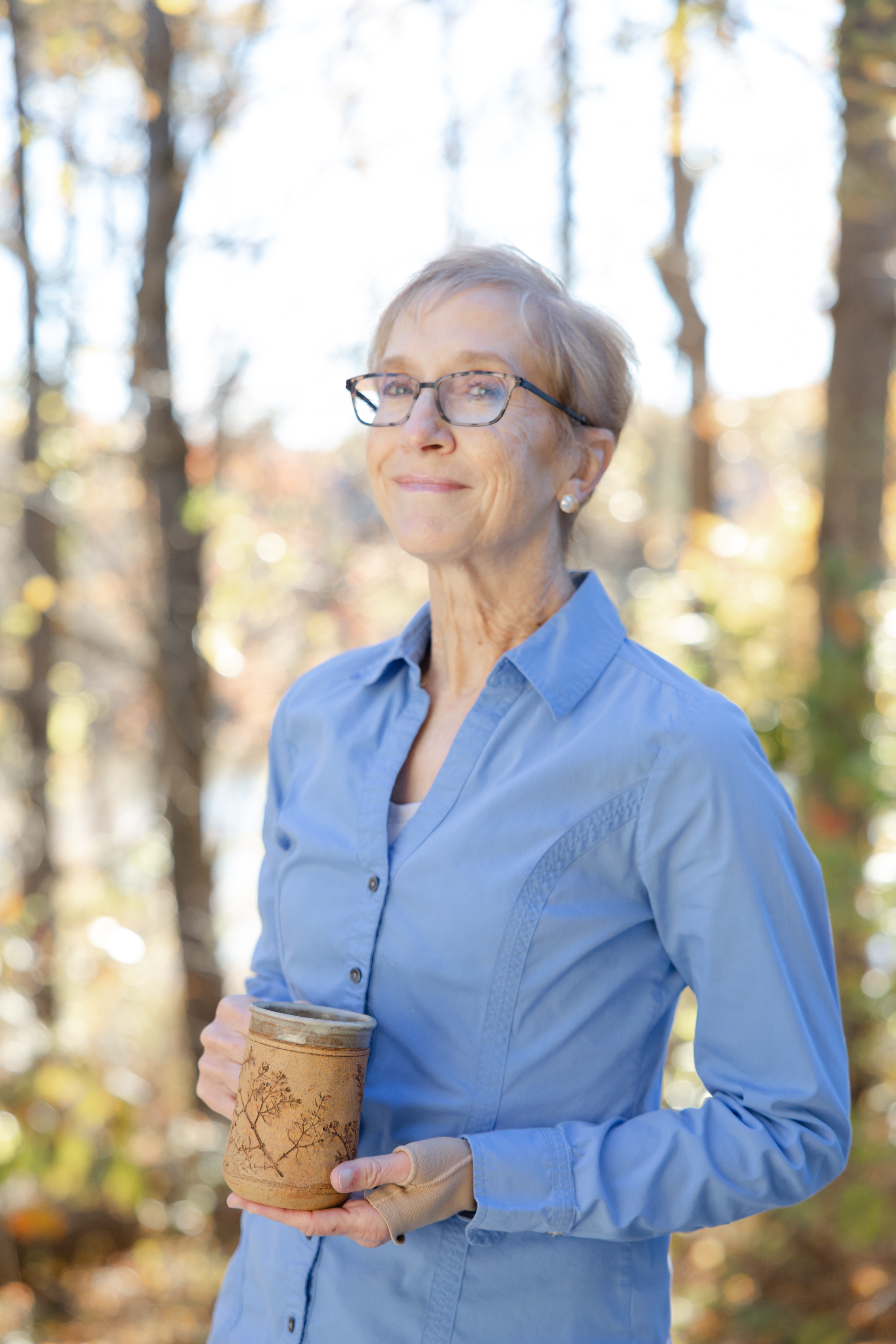
I started college in the nursing program at Appalachian State University in Boone, N.C., and soon the goal of becoming a physician took root. I finished my undergraduate studies at UNC Chapel Hill and graduated from University of Miami’s Miller School of Medicine, staying in Miami for my residency in pediatrics.
In 2000, I came to Mooresville and joined Lake Norman Pediatrics, which affiliated with Novant Health in 2018. I love this region and its people, my colleagues and the families whose children I care for. I am drawn to pediatrics for the opportunity to follow my patients from birth to age 21.
Being a pediatrician brings great reward. On a recent visit to the pharmacy, I ran into the mother of a child I had diagnosed with cancer. I hadn’t seen her in years. The diagnosis and treatment had rocked the family, but it was good to learn that her children are all grown up and healthy now.
My work also comes with great responsibility. I’ve sat beside parents in the ER, trying my best to comfort them after their child attempted suicide. I’m accustomed to caring for patients and their families in challenging moments.
In my 40s, I began navigating a crisis of my own.
The care your family deserves.
The first time, I cried. The second time, I cursed.
In 2010, during a self-exam, I spotted a dimple on the side of my left breast. It was breast cancer. The disease had already spread, requiring a double mastectomy followed by radiation and chemotherapy.
I was told I wouldn’t live long. I wasn’t able to work for nine months. I was going through a divorce. The first two years after the diagnosis and surgery were a blur.
But once I quit crying, rather than focus on the possibility of an early death, I chose to dwell on the joy of living.
This is what cancer has taught me: Acknowledge. Understand. Accept. Keep going.
The second cancer diagnosis — neuroendocrine tumor — came in 2020. A CAT scan for possible breast reconstruction surgery revealed one tumor in my pancreas, one in my spine and 12 in my liver. I had no symptoms. I felt fine. But I wasn’t.
This time, rather than crying at first, I cursed. Once again I decided — I chose — to live as fully as I could even while understanding that I could die an untimely death.

Every four weeks I go for treatment at Novant Health Agnes B. and Edward I. Weisiger Cancer Institute in Charlotte. I receive two injections of a hormone blocker during each visit to slow the growth of the tumors, one injection in each hip. The pain in my hips lasts about a week. Fatigue and nausea last about 48 hours.
I don’t look forward to the injections. But there’s a bright side. My sons — Mateo, 31, and James, 28 — and I often get together on treatment days for coffee and conversation. If they are free for lunch, we catch up over a meal.
Complications from the two cancers are doing a number on me.
I’ve developed diabetes. I have osteoporosis from the hormone blocker. I have vitamin C deficiency. I also have lymphedema (a buildup of fluid) in my left arm.
My medical team includes five oncologists and several other specialists. Each one offers care, compassion and, seeing how I am a curious physician, detailed explanations.
If cancer has taught me anything, it’s that stuff happens. In the midst of writing this, I had severe pain in my upper abdomen. It turned out to be a small bowel obstruction that landed me in Novant Health Huntersville Medical Center for four days of IVs and rest.
Shaping my own destiny — as a doctor and a patient
Cancer has changed my life, but it hasn’t stopped me from living it.
I continue to attend Charlotte Symphony concerts, even if fatigue compels me to slip out at intermission.

Work is a salve. My week is divided between being a doctor and being a patient. I typically see children Tuesday through Thursday. Monday and Friday are for my own medical appointments and treatment. The exam rooms in my clinic have become a refuge of sorts, where I can focus on others’ concerns.
I often awaken at 5 a.m. I’ll pour a cup of coffee, text my brother in Miami to check in, and then run, swim or cycle. I generally exercise for 30 to 40 minutes each weekday and one to two hours on Saturday and Sunday. Vigorous exercise helps me go 48 hours largely free of body aches. That’s why I compete in endurance sports like triathlons, running, swimming and cycling. I enjoy the camaraderie with competitors.
My diet includes a higher proportion of protein, the purest and least processed food the better. I take enzyme capsules to help with digestion. I still love to eat.
Maintaining social connections helps me keep a positive spirit. I’m part of a virtual support group with physicians in Boston and Baltimore who are also dealing with cancer. While our conditions are different, we are bound by friendship, and an understanding that it’s up to us to manage our care. We call ourselves The Zoom Girls.
Each Friday, when my treatment schedule and her busy work life allow, I check in with my supervisor and friend, Dr. Catherine Ohmstede. When we are together, we are simply two friends sharing our journeys.
I also see a therapist via Zoom. Our 16-year relationship goes back to my first cancer diagnosis and divorce.
My Christian faith and worship at Lake Forest Church-Huntersville also help me live with the uncertainty of what cancer may bring, and what lies beyond.
Acts of kindness mean the world. My two sons, friends and neighbors, fellow church members and Novant Health colleagues offer calls, casseroles, notes, prayers and an arm around the shoulder when I need someone to lean on.
All of it, in its own way, is “medicine.”
And so, what’s next for me? None of us knows what’s around the corner. As a doctor, and a patient, I keep learning that lesson again and again. But this journey has also taught me that if you just keep going, you can find a way to wring so much good from your struggles. A laugh at lunch. Tears with a friend. Waking up and putting my feet on the floor.
And so, for the moment, that’s my plan.
I’ll just keep going.


