

You’ve heard the cliche, and it’s true: the prep is worse than the procedure. Getting ready for a colonoscopy can be exhausting, and also shakes up your routine and diet for a few days.
But that short-term convenience is worth the long-term peace of mind. Colorectal cancer is the third most common cancer diagnosed in women and men in the U.S. Early prevention is important, and though colorectal cancer is initially curable through surgery, it can only be detected during a colonoscopy screening.
A screening colonoscopy could be scheduled after a referral from your primary care physician, at age 45. This could be earlier if you have a family history of colon cancer, symptoms at an earlier age, or other risk factors.
Consuming alcohol, red meat and foods high in fat and processed sugar increases the risk of developing polyps, which can grow into cancer. Colonoscopy prep clears the way for examining the colon detecting that growth.
“The colonoscopy allows us to diagnose and treat at the same time,” said colorectal surgeon Dr. Michaela Gaffley of Novant Health Colon & Rectal Surgery - Autumn Hall in Wilmington. “We take a look at the colon lining and can remove polyps before they develop into cancer. No other version of screening allows us to do that.”
Here, Gaffley and fellow colorectal surgeon Dr. Whiyie Sang offer a timeline of what to expect during prep.
Wondering if you need a colonoscopy? Make an appointment with a primary care doctor to discuss your colon cancer risk factors.
How many days should I take off work for a colonoscopy? Let’s say I've scheduled it for a Thursday.
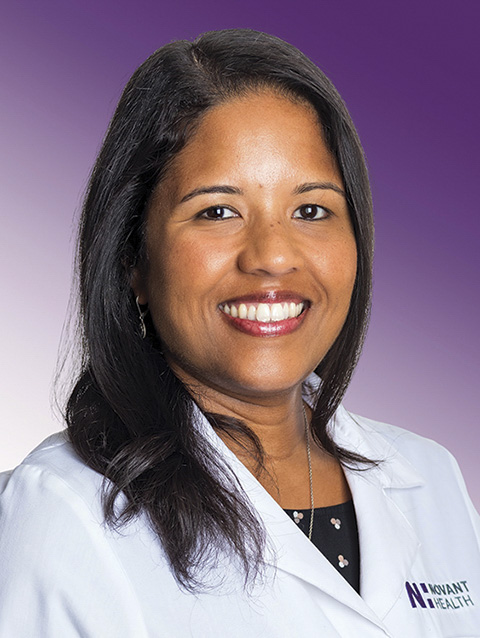
Dr. Gaffley: If your colonoscopy is on a Thursday, you need to take off Wednesday afternoon and all of Thursday. You need a full day off for the day of the colonoscopy, because of the anesthesia and dehydration after the prep. You also need someone to drive you home, and you should be able to return to work on Friday.
When should I buy prep material, and how long can I store it?
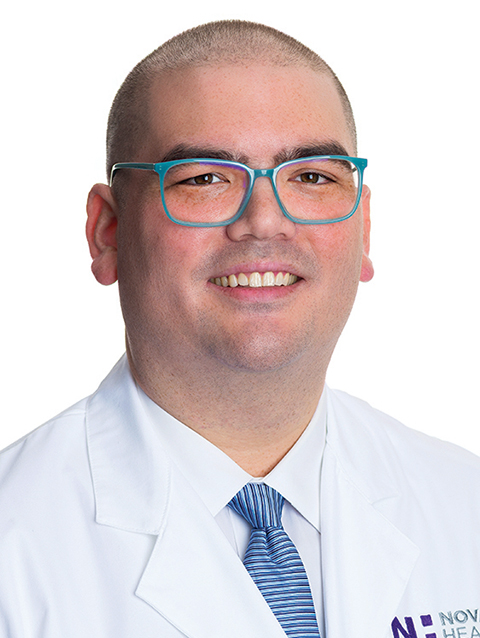
Dr. Sang: You can buy it the week before. The most common prep is a mix of a bottle of MiraLAX with 64 ounces of Gatorade. MiraLAX is an osmotic laxative, which means it draws water into the bowel to cleanse the lining. Mixing it with this large volume of liquid provides the necessary fluid for the laxative to work effectively.
Store the mix in the refrigerator, and follow the instructions you receive from your health care team about when to start drinking it. Avoid red Gatorade because the color can be confused with blood during the colonoscopy.
What should my diet look like beginning five days before a colonoscopy?
Dr. Sang: I usually instruct my patients to avoid high-fiber foods like salads and raw vegetables beginning five days before their colonoscopy. The actual prep, when you take medication to clean out your colon, begins the morning of the day before the procedure. You start on a clear liquid diet, which includes water, apple juice, black coffee (no cream or sugar); Jell-O, Italian ice, or popsicles (no red or dark colors); and clear vegetable, meat or bone broth with no noodles or pieces of meat.
What if I get hungry the day before my colonoscopy?
Dr. Gaffley: You’ve got to stick to the liquid diet and recommendations for the full bowel prep. Otherwise, it can be hard for us to clean out during the colonoscopy. As I describe to patients: The colon is like a pipe. If it’s filled with dirt, you can’t get a camera down there to see anything. Particulates, like the fiber in salads, don’t digest out and they clog the system.
We know bowel preparation is not fun. The clear-liquid diet is not fun either. So focus on planning your reward meal for when you’re done. When patients sneak in a meal beforehand, we know. Things look clear until we get to the part of the colon that empties out food. If you eat, we can tell. Eating will ruin all your hard work, and you may need to come back for a repeat colonoscopy.
How do I know when I’m finished prepping, and what should my poop look like?
Dr. Sang: A sign of a good prep means your stool is thin, liquid and yellow-tinged. But if you have a history of constipation, or normally go once every two or three days, the standard prep might not be sufficient. The colonoscopy won't be reliable because we can’t see the whole lining of your colon to rule out polyps. So that might force you to have a repeat colonoscopy sooner than you’d otherwise have to.
Is a repeat colonoscopy due to insufficient prep common?
Dr. Sang: Yes. I had a patient tell me afterward that she poops only once a week. Had we known that earlier, we would have done more extensive prep. If you don’t have regular bowel movements, let your care team know ahead of time so they can adjust your prep accordingly.
Can I still take my medication, from Tylenol to heart medication, while prepping for a colonoscopy?
Dr. Sang: For the most part, you can take standard medications with a small sip of water on the morning of the colonoscopy. There are some you’ll need to stop taking, including blood thinners. We usually stop those two to three days before. Because you’re potentially removing a polyp, there’s the chance of bleeding. You should also stop taking GLP-1 weight-loss medications, like Ozempic or Wegovy, a full seven days before your colonoscopy.
How can I safely prep for a colonoscopy if I have diabetes?
Dr. Sang: It depends on the type of diabetes. But generally, it’s important to use sugar-free Gatorade for mixing. Talk to your primary care doctor about whether to decrease the amount of medications, especially since you're not eating a normal diet during prep. For example, for someone taking insulin, blood sugar can bottom out really quickly if they’re taking the standard dose while doing the prep diet. Kidney disease and heart failure are among other conditions that require special instructions.
The recommended screening age recently dropped from 50 to 45. Do you foresee another change?
Dr. Sang: I would not be surprised if it continues to drop. The reason why the age went down is because the rate of early colon cancer in young adults has gone up. Age 45 is standard for average-risk individuals, meaning those without a family history of cancer. But the recommended screening age is lower for someone with a history of cancer or other medical problems.
There are also reasons to have a colonoscopy sooner, and not just for screening. Let’s say you’re in your 20s and experiencing blood in your stool. Just because you’re young doesn't necessarily mean you can't have a colonoscopy to see what’s going on. That’s the whole point of seeing your doctor and getting checked out regularly.
Colonoscopy prep: 10 tips to make it easier
1. Plan ahead. Your doctor will write you a prescription for the medication you need for prep. Pick up your prescribed prep supplies several days in advance so you have everything you need. Read your instructions early and ask your care team about anything that’s unclear.
2. Make a medication plan. Tell your doctor about all prescription medications, over-the-counter medicines, vitamins and supplements you take. You may need to adjust or temporarily stop some of these. Never stop a prescribed medication without guidance from your health care team.
3. Change your diet a few days ahead. Your health care team may recommend a low-fiber diet for three to five days before your colonoscopy. This can mean avoiding foods such as nuts, seeds, whole grains, salads and raw vegetables. Follow the specific timeline your care team provides.
4. Stock up on clear liquids. The day before your colonoscopy, you’ll switch to a clear-liquid diet. Depending on your instructions, options may include water, apple juice, clear broth, black coffee or tea without milk or cream, and gelatin or popsicles without red or purple coloring. Avoid solid food, and follow your instructions about when to stop drinking.
5. Mix up your menu. A clear-liquid diet can leave you hungry, so plan a variety of permitted drinks and treats. Try different flavors of clear broth, approved sports drinks, gelatin or ice pops. Check labels and avoid anything your instructions prohibit.
6. Follow your prep instructions exactly. Take the prescribed bowel-cleansing medication at the specified times and finish the full amount unless your care team tells you otherwise. Don’t eat solid food, even if you’re hungry. An incomplete prep can hide polyps and other abnormalities, potentially requiring another colonoscopy.
7. Stay close to a toilet. The prep medication causes frequent bowel movements, often with little warning. Clear your schedule, keep your bathroom essentials handy and consider using a gentle, fragrance-free wipe and/or applying a protective barrier ointment like Aquaphor.
8. Pay attention to your bowel movements. By the end of a successful prep, your stool should be watery, clear or yellowish, without solid pieces. If it remains brown, cloudy or contains solid material, contact your care team for advice rather than assuming the prep is complete.
9. Speak up about health conditions. Diabetes, kidney disease, heart failure and chronic constipation can affect how you should prepare. Ask your doctor whether you need a modified prep, medication adjustments or extra monitoring. If you have diabetes, get specific guidance on managing blood sugar while eating less than usual.
10. Arrange a ride, time to recover and a solid meal. You’ll need someone to drive you home after sedation, and you should plan to rest for the remainder of the day after your colonoscopy. Plan something enjoyable to look forward to after your colonoscopy, such as a favorite meal.


