What is Hand and Wrist Rheumatoid Arthritis?
Arthritis literally means “inflamed joint," and generally refers to any damage to the joints of the body. There are 36 joints in the hand and wrist, and several sites that commonly affected by arthritis. Rheumatoid arthritis is an inflammatory disease that has wide-ranging effects throughout the body, and especially tends to cause problems in the hands and wrists. It is much less common than osteoarthritis. The inflammation of the joint tissues leads to gradual destruction of the ligaments that hold the joints straight, and also damages the cartilage within the joints. Over time, severe deformities of the hands and wrist can occur, especially if not properly treated by a rheumatologist.

Causes
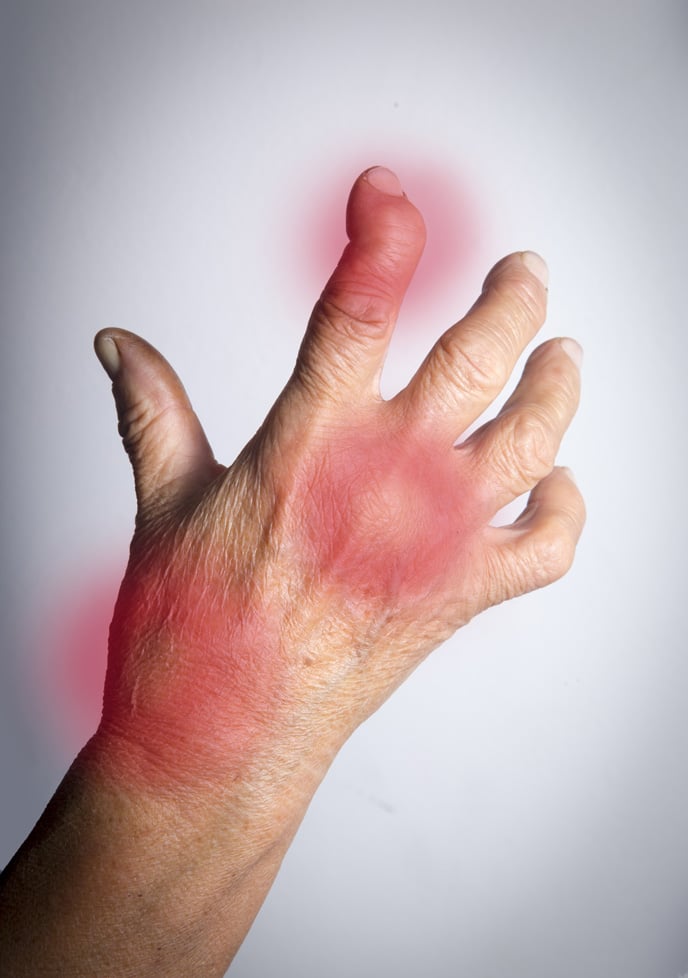 Rheumatoid arthritis is an autoimmune disorder in which your body’s immune system attacks the tissues that line the joints called synovium. This same process may also attack other tissue of the body. The exact cause of rheumatoid arthritis is unknown.
Signs and symptoms
- Pain (variable severity)
- Swelling and warmth of the wrist and finger joints (may come and go)
- Stiffness (usually worse first thing in the morning)
- Deformity (fingers can become “crooked” over time)
Is there a test for rheumatoid arthritis?
Your symptoms and medical history as well as an examination of your hand and wrist can help to diagnose arthritis. Often, X-rays of the hand and wrist will show signs of arthritis including erosions in the joints. If we suspect rheumatoid arthritis, we may need to perform additional blood tests to determine the case of the arthritis and refer you to a rheumatologist to confirm the diagnoses and initiate medical treatment.
Treatment
The mainstay of treatment for rheumatoid arthritis is medications administered under the care of a rheumatologist. Modern medications have become so effective that they often prevent the need for surgery. Other nonoperative treatment options include activity modifications, splinting and steroid injections. Depending on the location and severity of the arthritis, surgical fusion or reconstruction of the joint may significantly improve symptoms in severe or long-standing cases. Sometimes tendon transfers, repairs, or reconstructions help restore alignment of the wrist and fingers.
Ready to confirm a diagnosis and fix the problem, or just want to learn more?
Our board-certified orthopedic hand and wrist surgeons, Eric Angermeier, MD and Kyle Kokko, MD, PhD, are here to help! They can often diagnose the problem in one visit, and get you started with a treatment plan. We offer a wide variety of both nonoperative and operative treatment options.
Call today for a clinic or telehealth appointment! 854-429-4263