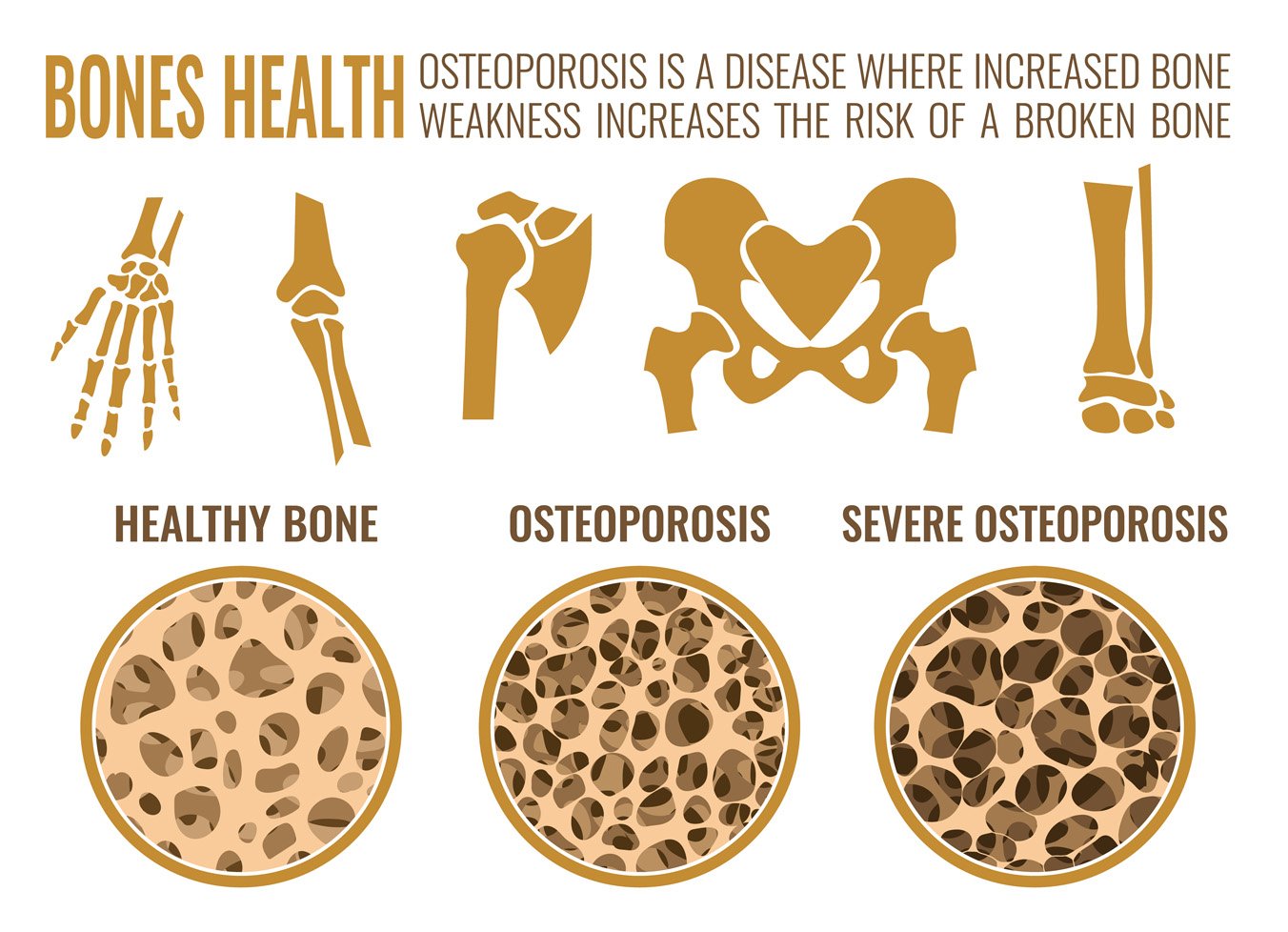
Bone Health and Fracture Healing
Bones are very much alive and constantly changing over time, even in adults. We often hear about how diet and lifestyle choices can affect our overall health, but these are also important factors for bone health. This is especially true when bones are growing during childhood, thinning with age, or attempting to heal a fracture after an injury.
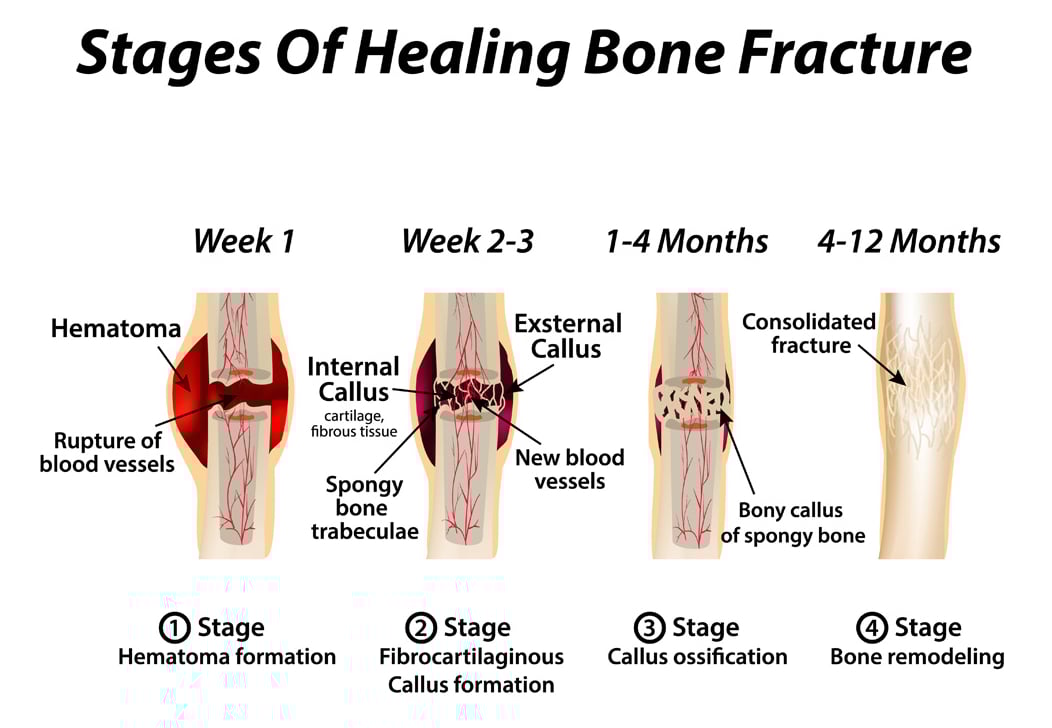
Which Nutrients Are Most Important For Bone Health and Fracture Healing?
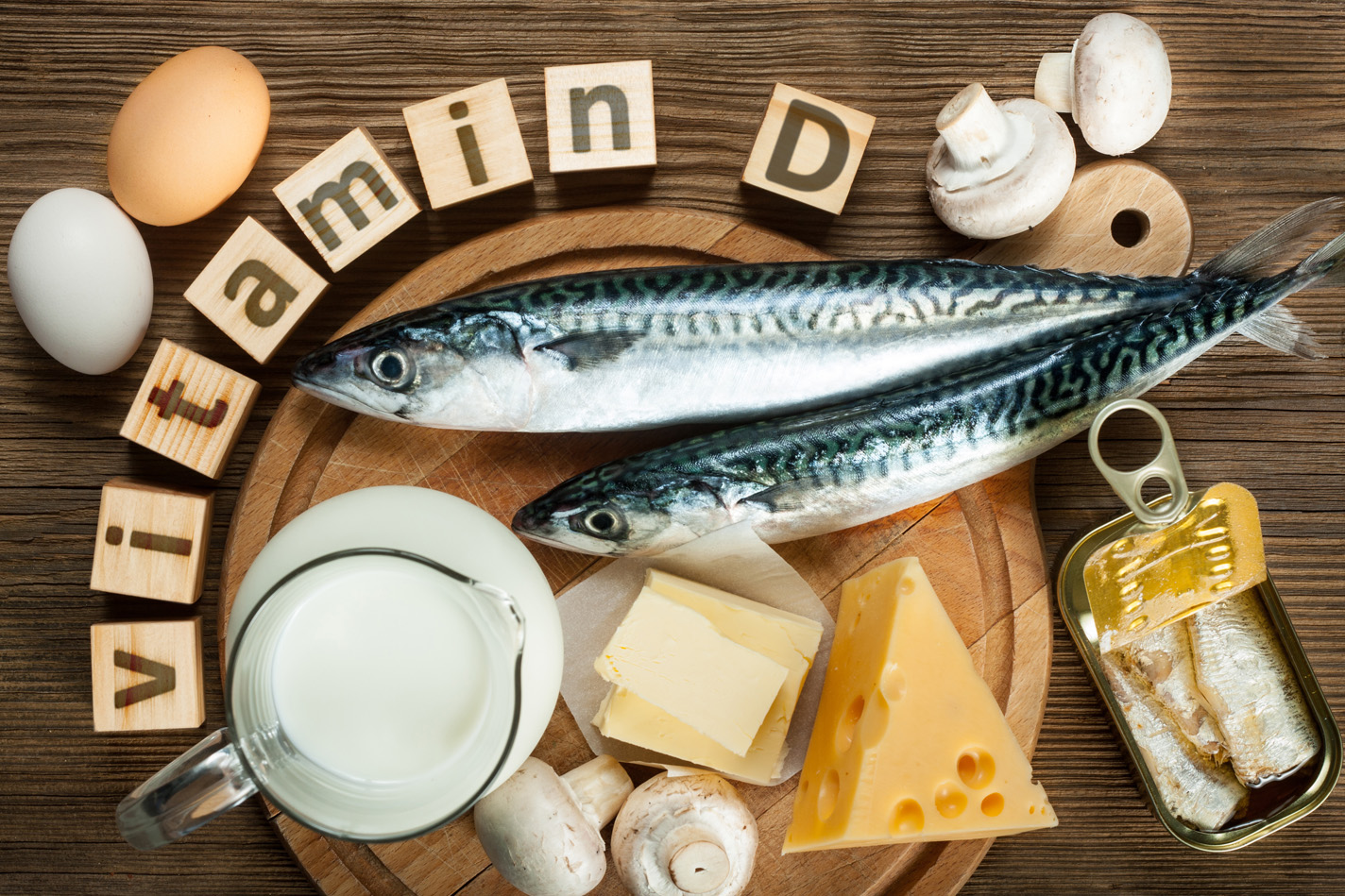
The two most important nutrients for bone health and fracture healing are calcium and Vitamin D. Both can be found in abundance in milk, but there are many other dietary sources as well. If you cannot consume enough calcium and Vitamin D in your diet, supplements can be found at most drug stores and supermarkets.
The daily recommended amounts of calcium and Vitamin D vary by age and sex:
Calcium
|
Age |
Recommended Amount |
|
Children 1-3 years old |
700 milligrams (mg) |
|
Children 1-3 years old |
1,000 mg |
|
Children 1-3 years old |
1,300 mg |
|
Adults 19-50 years old |
1,000 mg |
|
Women 51 - 70 years old |
1,200 mg |
|
Men 51 - 70 years old |
1,000 mg |
|
Women and men 71+ |
1,200 mg |

Vitamin D
|
Age |
Recommended Amount |
|
Age 1-70 |
600 IU |
|
Age 71 and older |
800 IU |
Your physician may recommend even higher doses of calcium and Vitamin D for certain conditions like osteoporosis, a thinning of the bones that occurs with age, most common in post-menopausal women. Osteoporosis can lead to fragility fractures of the hip or wrist.
What Activities Promote Bone Health?
Healthy bones require weight-bearing activities to stimulate the bone cells to maintain the bone structure and density. If the bone cells are not stimulated to perform this routine “maintenance”, the bones can become thin (osteoporosis) and may eventually fracture. The best way to stimulate this bone maintenance, is to perform regular low-impact weight-bearing exercises like walking or jogging. For the upper extremities, resistance activities like light weights or bands can stimulate the bones. Obviously, you should not be lifting weights when you have a fracture that is not yet healed, but in the final phases of bone healing light resistance exercises may be beneficial. Consult with your surgeon before initiating any exercises involving an extremity that has been injured or operated on.