

Protecting your brain isn’t just about completing crossword puzzles and Sudoku, as seen in the brain stacking trend that’s all over TikTok. Your blood pressure, cholesterol levels, exercise frequency, hearing, vision, sleep and other aspects of your health also affect how your brain ages.
That’s because brain health is connected to health throughout the body. And taking care of those factors may be important long before symptoms like memory loss appear.
About half of dementia cases could potentially be prevented or delayed by addressing a range of risk factors, according to the Lancet Commission. That means identifying and addressing risks such as vision loss, hearing loss, high LDL cholesterol and high blood pressure throughout life may play an important role in protecting brain health.
That’s the idea behind preventive neurology: Instead of waiting for neurological symptoms to develop, a health care provider looks at your health history and risk factors, then identifies changes that could help protect your brain over time.
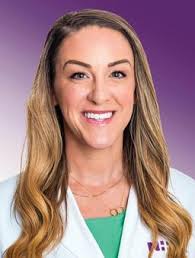
“We want to be your mammogram of the brain,” said physician assistant Carolina McCalmon who works with patients in the Novant Health Preventive Neurology clinic inside the Novant Health Deloris P. Jordan Neurosciences Institute in Wilmington. She works with patients to assess risk and support brain health. “Together, we go through the risk factors to figure out what we can tweak, depending on your comfort level,” she added.
You can’t change every risk factor, such as your age or genetics. But there are many others you may be able to address. Depending on your personal and family health history, your provider may recommend screenings such as a sleep study, hearing evaluation or bone density scan to identify health issues that could correlate to your brain health.
Here, McCalmon explains why it pays to start thinking about brain health early, and what you can do now to help protect it.
Preventive neurology services for brain and nervous system health.
Why should I protect my brain now if I am not having memory problems?
“Alzheimer’s disease starts 20 years before symptoms appear, which is why our motto is Treatment Before Symptoms,” McCalmon said. “For every 65-year-old diagnosed with Alzheimer’s, the disease process started in their 30s or 40s.”
McCalmon encourages her patients to think of brain health like a savings account: The earlier you start investing in it, the more those small, healthy choices can add up over time.
What lifestyle factors can affect your risk of developing dementia?
While some risk factors are out of your control, like age and genetics, there are risk factors you can potentially change or manage with the help of a health care team. These include:
- High blood pressure
- Smoking
- Diabetes
- Obesity
- Lack of physical activity
- Poor diet
- High alcohol consumption
- Low levels of cognitive engagement
- Depression
- Traumatic brain injury
- Hearing and vision loss
- Social isolation
- Air pollution
How does heart health affect my risk of dementia?
“Everything that protects the heart is related to brain health,” McCalmon said. “The brain has 400 miles of vessels, which are thinner than a hair and sensitive to everything we worry about when it comes to heart attack.”
Cholesterol, blood pressure and blood sugar can all affect the health of your blood vessels. Managing them can help keep blood flowing properly and protect your brain over time.
What can I do now to help protect my brain?
Regular exercise, good sleep, a nutritious diet and staying mentally and socially active can all support brain health.
A 2025 U.S. POINTER clinical trial recommends a combination of healthy behaviors including the following:
- Physical exercise: Do 30 minutes of moderate-to-intense aerobic activity four times a week, and strength and flexibility exercises twice a week. “Exercise is our magic pill,” McCalmon said. “Moderate-to-intense exercise releases the hormone that increases your brain volume.”
- Cognitive exercise: Challenge your brain regularly by learning something new, playing games, reading, taking a class or trying a new hobby. Computer-based brain training programs aim to help users improve memory, language and executive function when used for 30 minutes three times a week. BrainHQ is a common computer-based brain training option for home use.
- Social activity: Activities that involve other people can offer the added benefit of social connection. Have regular meals or coffee with friends or family, join a book club or hobby group, volunteer, take an in-person class, or join a walking or exercise group.
- Nutrition: “Proper nutrition is the crux of everything,” McCalmon said. “Nobody responds well to ultra-processed foods. Water, protein and sleep are the gasoline that fights inflammation, feeds your muscles and removes toxins.” The MIND diet is one brain-healthy eating approach. It emphasizes dark leafy greens, berries, nuts, whole grains, olive oil and fish while limiting sugar and unhealthy fats.
- Health monitoring: Regularly monitor your blood pressure, weight and lab results. Don’t overlook your emotional and mental health, either. “A happy brain is a healthy brain,” McCalmon said.
Brain health and dementia prevention care at Novant Health New Hanover Regional Medical Center
Introducing Novant Health Preventive Neurology
Memory loss and dementia often start developing long before symptoms appear. Fortunately, there are proven ways to support brain health and reduce your risk. The care team at Novant Health New Hanover Regional Medical Center’s Deloris P. Jordan Neurosciences Institute can help you take action today to protect your cognitive health for years to come.
Consider a consultation if you:
- Have a family history of Alzheimer's disease or dementia
- Are concerned about memory changes or brain fog
- Have risk factors such as high blood pressure, high cholesterol, obesity, prediabetes or diabetes
- Are in midlife, including perimenopause or menopause
- Have had a stroke or transient ischemic attack (TIA)
- Want to know what you can do now to protect your brain for the future
Your personalized brain health plan may include:
- Cognitive and dementia risk assessment
- Screening and management of brain health risk factors
- Nutrition guidance, including the Mediterranean and MIND diets
- Exercise recommendations for brain health
- Sleep and lifestyle optimization
- Optional genetic risk testing
Take the first step with Novant Health Preventive Neurology
Don't wait for symptoms to appear. Early action can make a difference.
Call Novant Health New Hanover Regional Medical Center at 910-662-7500, press option 2, and ask about brain health and dementia prevention services with Novant Health Preventive Neurology.


